
Body
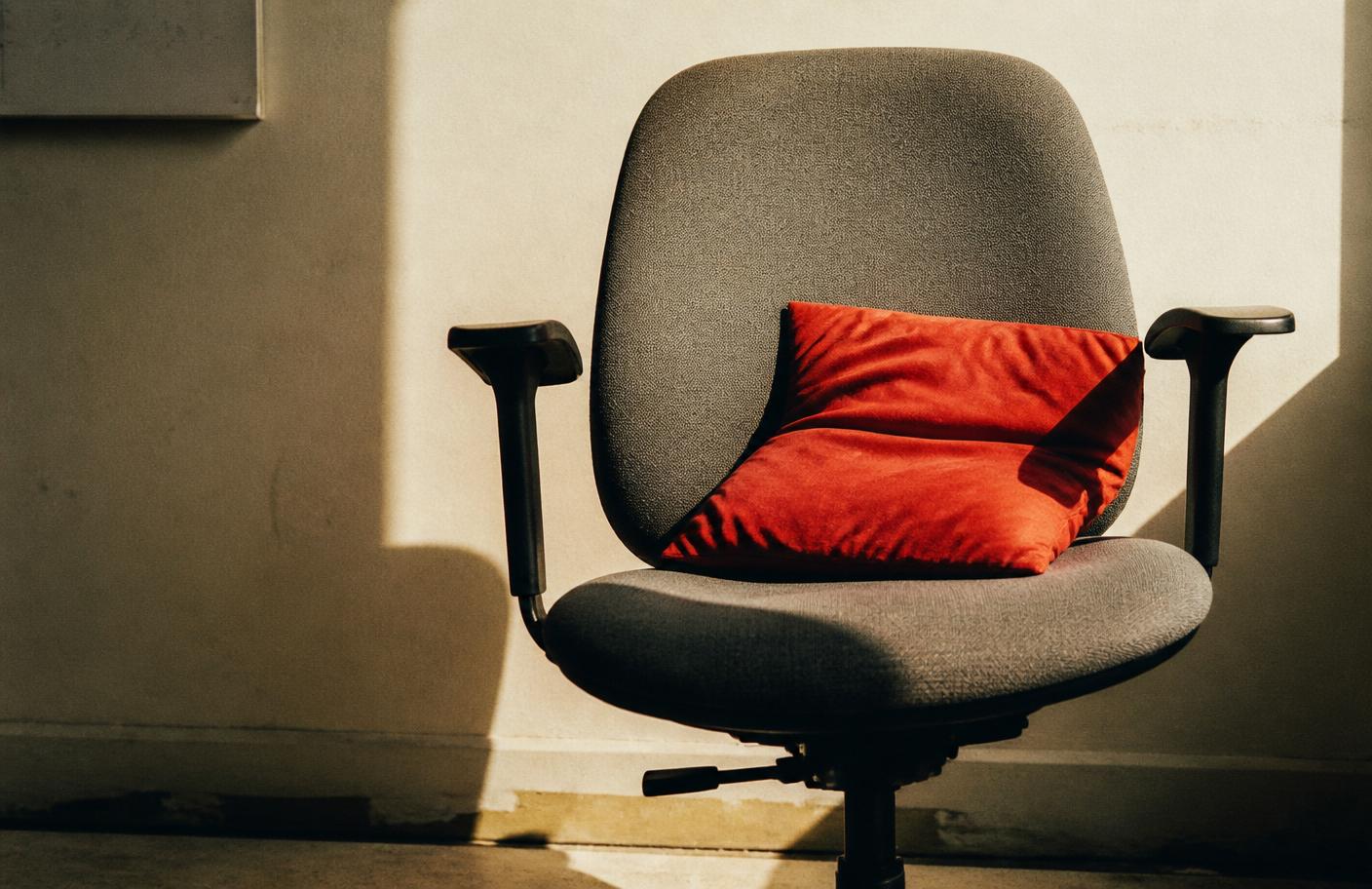
Your Spine Did Not Consent to This Chair
Most office chairs are designed for a body that does not exist. Here is how to stop yours paying the difference.
Nell Okonjo · 24 Jul · 6 min read
Body · This week's lead
Most office chairs are designed for a body that does not exist. Here is how to stop yours paying the difference.
Body — Your Spine Did Not Consent to This Chair
This week at work
Body
Most office chairs are designed for a body that does not exist. Here is how to stop yours paying the difference.
Nell Okonjo · 24 Jul · 6 min read
Also this week


Five angles on the same problem
Club rule no. 1
Most health problems at work are scheduling problems wearing a disguise.
8 hrs
sat down on an average weekday
1 in 4
workers running on burnout most weeks
23 min
to refocus after a single interruption

Brain
The brain's natural tendency to anticipate can become a constant source of cognitive strain when work demands a perpetual forward-looking state, preventing full engagement with the present task.
Work Survival Club · 17 Sept · 3 min read

Brain
Experiencing low control in your work environment, whether perceived or actual, can diminish cognitive function and contribute to feelings of stress and overwhelm.
Work Survival Club · 15 Sept · 3 min read

Brain
The modern work environment often demands constant readiness, creating a persistent low-level cognitive load that makes true mental rest difficult to achieve, even during breaks.
Work Survival Club · 10 Sept · 3 min read

Field Guide
Beyond increased efficiency, a well-positioned second monitor can mitigate physical strain and cognitive load for desk workers, provided its implementation is thoughtful.
Work Survival Club · 11 Sept · 2 min read

Body
Working indoors under artificial light for prolonged periods can disrupt natural bodily rhythms, affecting sleep quality, mood, and concentration.
Work Survival Club · 14 Sept · 3 min read
Body
Repeated, subtle strain from prolonged desk work can lead to conditions like carpal tunnel syndrome and tenosynovitis, challenging the body's natural adaptations to static tasks.
Work Survival Club · 10 Sept · 3 min read

Work Design
The health costs of work are not confined to the hours spent at a desk; they often begin long before the first meeting or email, impacting cognitive function and physical well-being.
Work Survival Club · 10 Sept · 3 min read
Brain
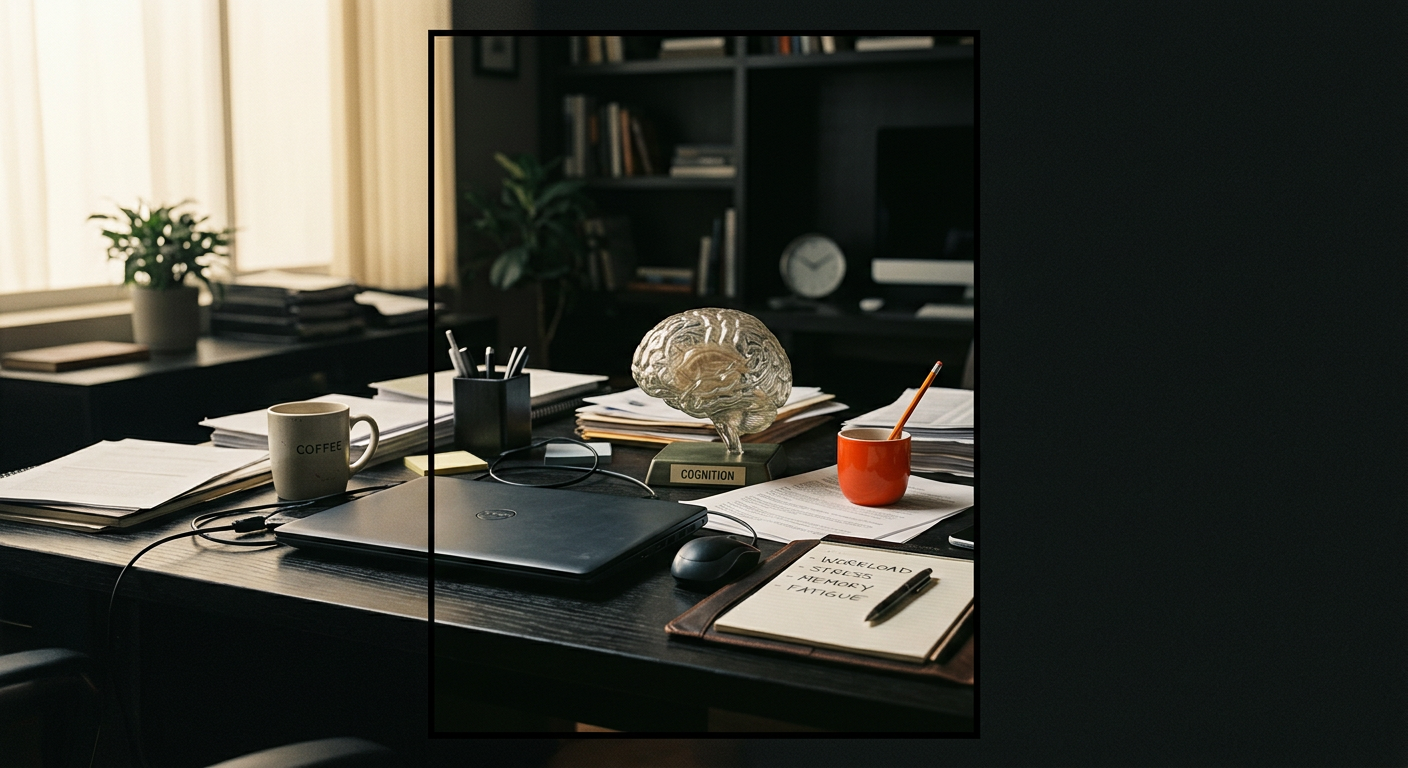
Persistent cognitive impairment, often termed 'brain fog', can be a symptom of occupational stress and workload, rather than a personal failing.
Work Survival Club · 8 Sept · 3 min read

Work Design
Calendar applications, designed for efficiency, have inadvertently shaped how organisations operate, often normalising immediate availability and full schedules over focused work.
Work Survival Club · 9 Sept · 3 min read
Thursdays
One thing for your body, one for your brain, one for your calendar. Read in three minutes, unsubscribed in one click.
Free. Always.
Join for nothing and stay current: one email a week with our newest evidence-based pieces on working well — what to change in your body, your brain and your calendar.
No spam. No hustle-culture pep talks. Unsubscribe anytime in one click.
Community
Join r/WorkSurvivalClub — daily threads on surviving modern work
01
While investing in a premium office chair might seem like the ultimate fix for workplace discomfort, evidence suggests its impact on back pain and overall health is often overstated, and other factors are more critical.
02
Beyond increased efficiency, a well-positioned second monitor can mitigate physical strain and cognitive load for desk workers, provided its implementation is thoughtful.
03
A quality monitor arm offers more than vertical adjustment; it facilitates precise screen positioning, reduces neck strain, and can free up valuable desk space for improved workday comfort and focus.